The art of movement: mastering swimming strokes
Welcome to SwimForm, your guide to understanding the foundational elements of swimming. On this page, we dive deep into the world of swimming strokes, exploring their unique stories, mechanical purposes, and the legends who have mastered them. Prepare to enhance your awareness of proper technique, identify common challenges, and discover pathways to refine your aquatic journey.
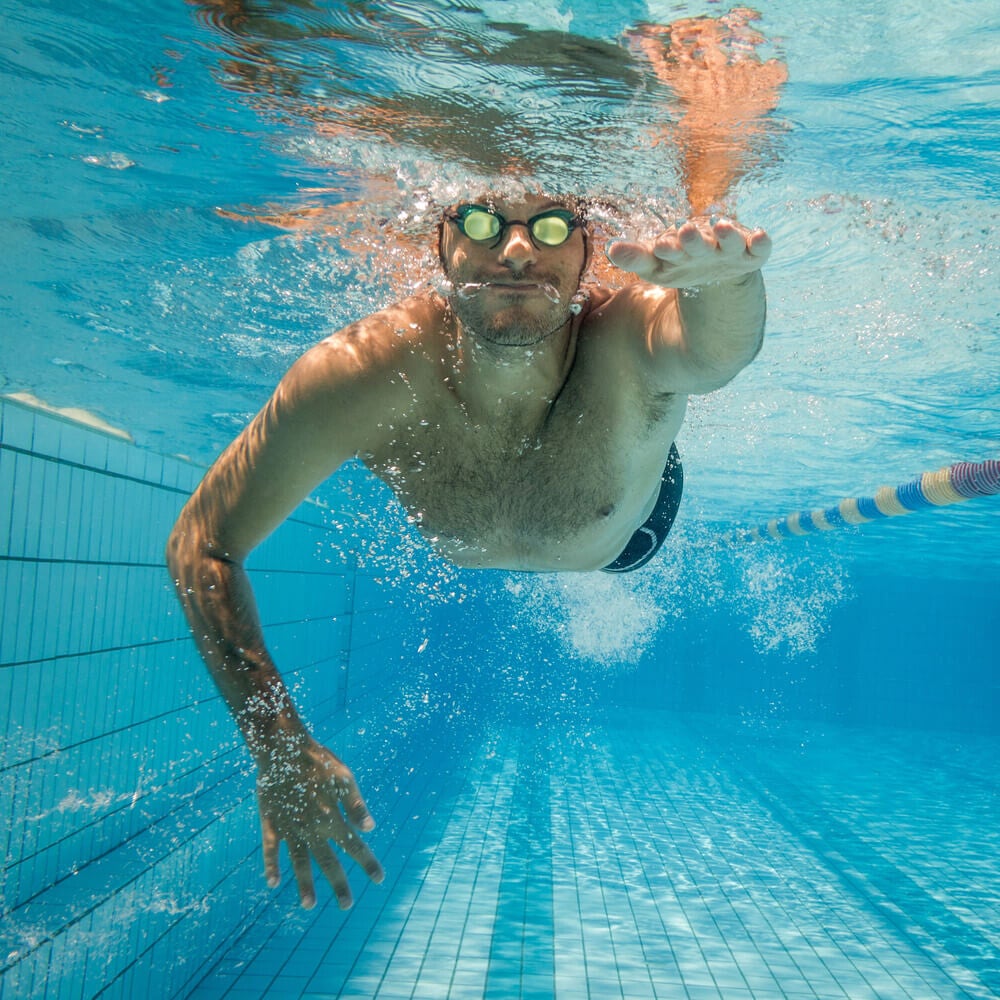
Freestyle: the fastest path
Often referred to as the front crawl, freestyle is the fastest and most efficient of all swimming strokes. Its purpose is to propel the swimmer forward with continuous, alternating arm movements and a flutter kick. The stroke's history is rooted in ancient times, evolving into the streamlined technique we see today, designed for speed and endurance. Legends like Michael Phelps and Katie Ledecky have redefined what's possible in freestyle, showcasing unparalleled power and grace. Understanding freestyle starts with a balanced body position, a strong catch and pull, and a consistent, rhythmic kick. Common mistakes include crossing over the midline with your hands, dropping your elbow during the pull, or incorrect breathing patterns. To fix these, focus on extending your arm straight forward, maintaining a high elbow throughout the pull, and rotating your head to the side for a quick breath without lifting your head too high. For an in-depth visual guide and drills, explore more here:
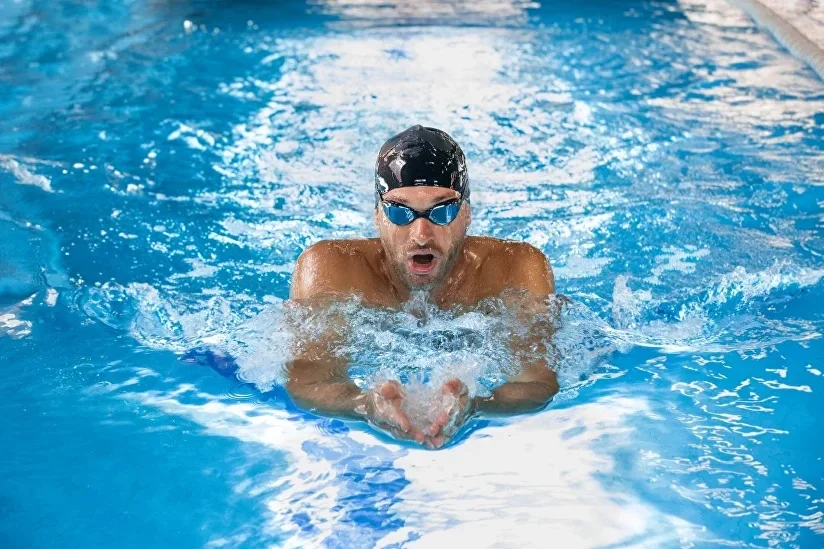
Breaststroke: power and precision
Breaststroke is distinctive for its simultaneous arm and leg movements, often described as a 'pull, breathe, kick, glide' sequence. Its purpose is a powerful, yet slower, propulsion, making it excellent for endurance and underwater swimming. It’s one of the oldest strokes, with its origins traced back centuries, and is known for its unique 'frog' kick. Iconic athletes such as Adam Peaty and Lilly King exemplify the explosive power and precision required to excel in this stroke. The key to breaststroke lies in its synchronized timing: a strong arm pull, followed by a breath, and then a powerful whip kick, culminating in a streamlined glide. Common Mistakes include a narrow or scissoring kick, a lack of glide, or lifting the head too high during the breath, which can lead to hip drop. To improve, concentrate on a wide, symmetrical kick, maximizing your glide phase, and keeping your head in line with your spine during the breath. Dive deeper into breaststroke mechanics here:
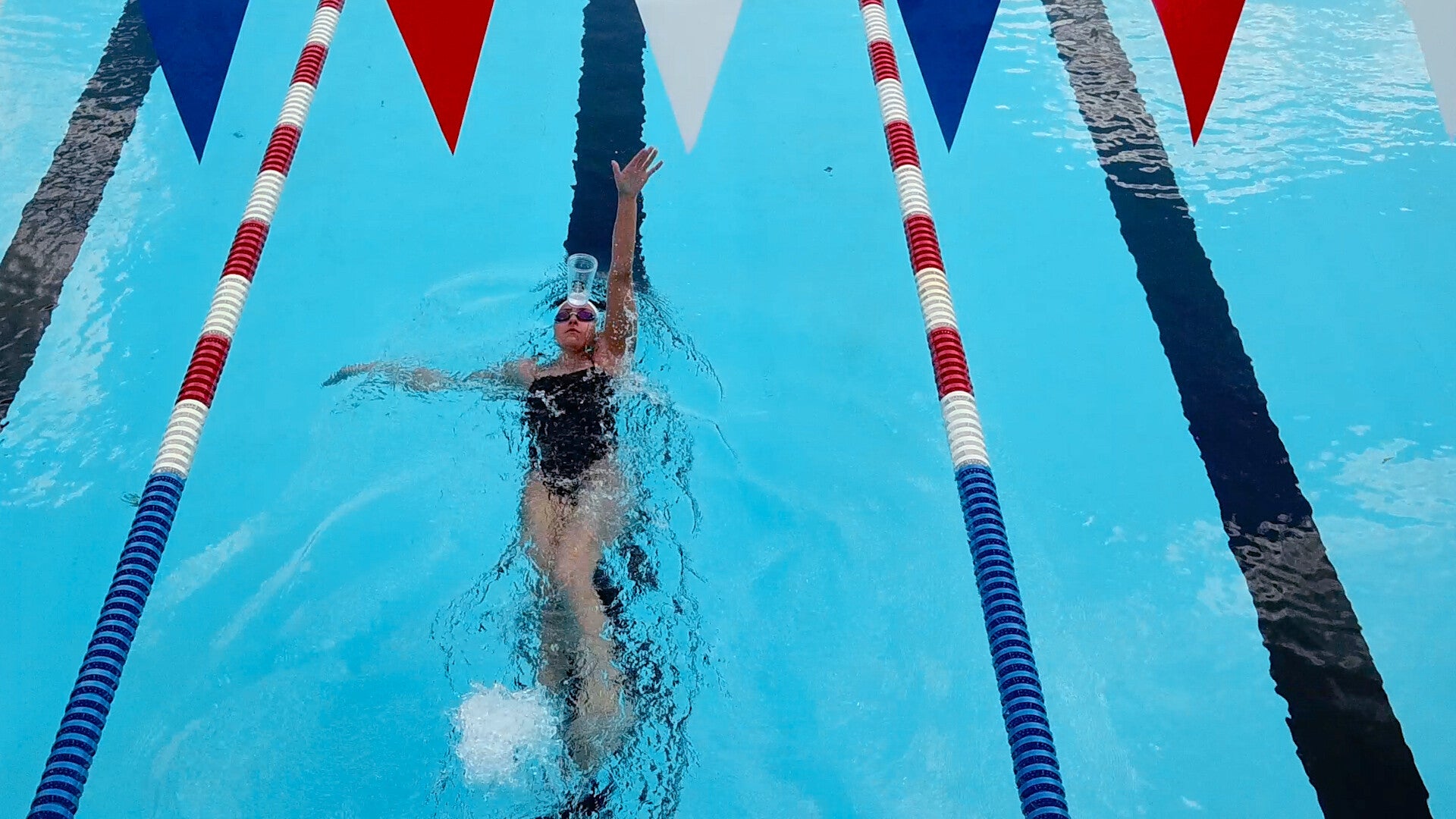
Backstroke: navigating on your back
Backstroke is unique as the only competitive stroke performed entirely on the back, offering a different perspective and breathing advantage. Its purpose is efficient propulsion while maintaining an open airway, allowing for continuous breathing. The stroke involves alternating arm movements, similar to freestyle but reversed, coupled with a flutter kick. Historically, backstroke was an early competitive stroke, initially performed without arm recovery over the water. Legends like Aaron Peirsol and Missy Franklin have demonstrated incredible technique and speed, making the most of body rotation and powerful arm pulls. Effective backstroke relies on a high hip position, consistent body rotation from shoulder to hip, and a strong, continuous flutter kick. Common mistakes include letting the hips drop too low, a straight-arm recovery, or an ineffective catch. To refine your backstroke, focus on engaging your core to keep your hips high, bending your arm slightly during the underwater pull, and recovering your arm straight over your shoulder. Learn more about backstroke fundamentals here:
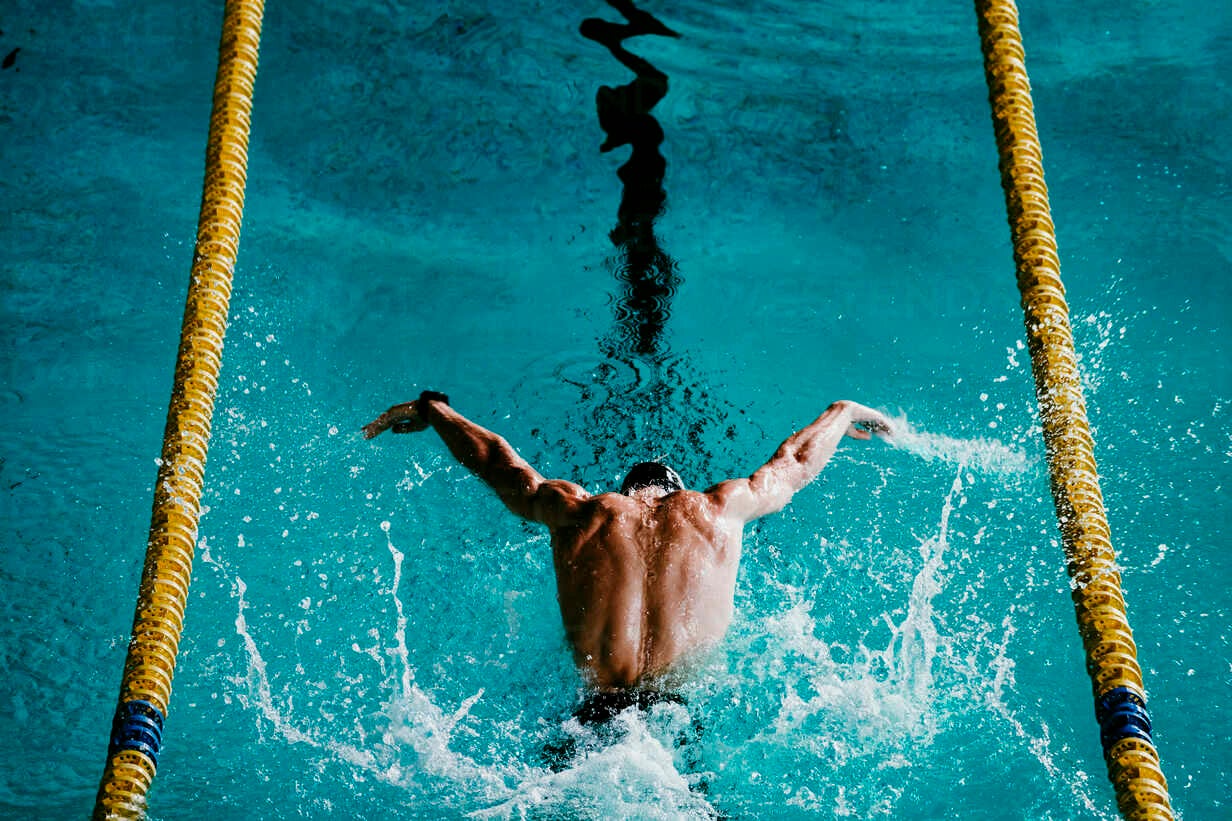
Butterfly: the graceful challenge
Butterfly is widely regarded as the most challenging yet visually stunning of all swimming strokes, characterized by its synchronized arm recovery over the water and powerful dolphin kick. Its purpose is to achieve high-speed propulsion through a wave-like body motion. Originating as a variation of breaststroke, it evolved into its own distinct and demanding stroke in the 1930s. Champions like Caeleb Dressel and Sarah Sjöström embody the blend of strength, timing, and rhythm required to dominate butterfly. The stroke demands a coordinated two-beat dolphin kick per arm cycle, with a powerful pull and simultaneous arm recovery. Common mistakes often involve a lack of core engagement, a flat body position instead of a wave-like motion, or poor timing between the arm pull and the kicks. To improve your butterfly, emphasize strong core engagement for the dolphin kick, aim for a fluid body undulation, and ensure your arm entry and pull are synchronized with your first kick. Discover advanced butterfly techniques here:
Create Your Own Website With Webador